
-
Evie Huang sales consultant
-
Email: Sales@matictest.com
-
Phone/WhatsApp: +86 18996117830

Sensor Technology
How water quality sensors work, how to select them, and how to keep them accurate.
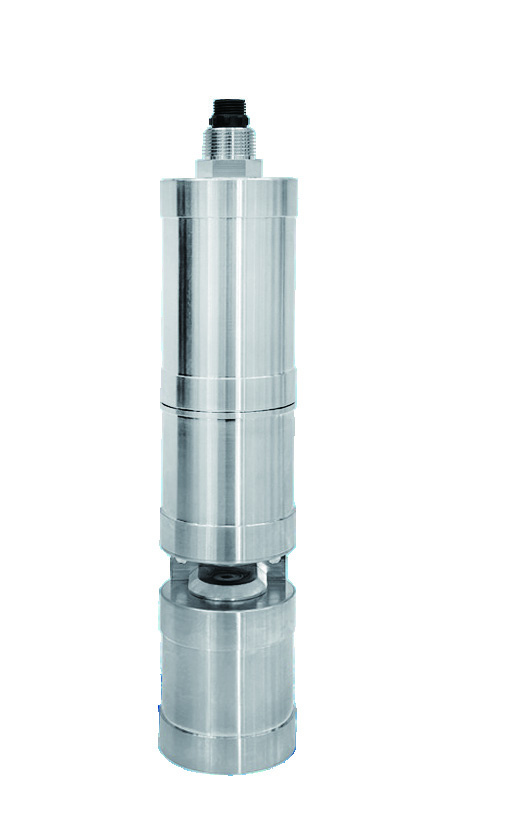
Doppler vs Area-Velocity Flow Meters: When Each Technology Wins
A side-by-side comparison of Doppler and area-velocity (AV) flow measurement for partially filled pipes and open channels, covering accuracy under site conditions and the right use cases for each.

Water Quality Sensor Maintenance Checklist: Cleaning, Calibration, Storage and Service Intervals
A maintenance playbook for pH, dissolved oxygen, turbidity, ion-selective and conductivity probes — what to clean, how often, how to calibrate, and how to store probes between deployments.
Non-Contact Radar Level Measurement in Wastewater: Why It Outlasts Contact Sensors
How 80GHz radar level transmitters work, why non-contact measurement avoids the fouling that defeats submersible sensors, and what to check when specifying one for wastewater duty.
Ion-Selective Electrodes in Industrial Wastewater: Ammonium, Fluoride and Beyond
How ion-selective electrodes work, why interference and pH range matter more than accuracy specs, and a practical guide to deploying ammonium, fluoride, calcium and sodium sensors in industrial effluent.
Turbidity Measurement Explained: NTU, Scattering Geometry and Sensor Selection
Turbidity looks simple but hides real measurement subtleties. This guide covers what NTU means, why 90-degree infrared scattering is the standard geometry, how to choose a range, and what causes drift.
Understanding pH Measurement in Water Quality Monitoring: Principles, Calibration and Common Errors
A practical guide to how pH electrodes work, why temperature compensation and calibration decide your accuracy, and the installation mistakes that cause most field pH errors.
High Quality
Stable performance, IP-rated field design, accurate measurement and reliable data for 24/7 water quality monitoring in harsh environments.
Fast Delivery
Timely delivery to support your urgent orders and project schedules efficiently and professionally at any time.
Best Warranty
Professional Warranty: 12-month coverage plus long-term remote support for stable water quality monitoring and customer satisfaction.